


Wordscapes In Bloom
4.719.65K Reviews
App Specs
- Version
- 1.12.1
- Updated On
- License
- Free
- Downloads
- 1,000,000+
- Developer
- PeopleFun
- Categories
- Word
- Platform
- Android
Screenshots

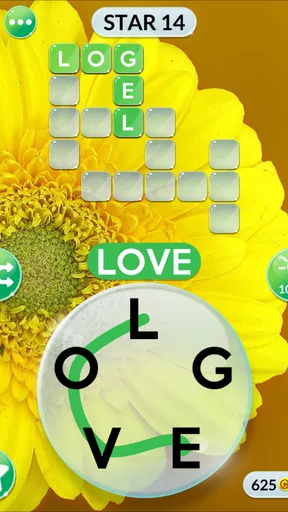
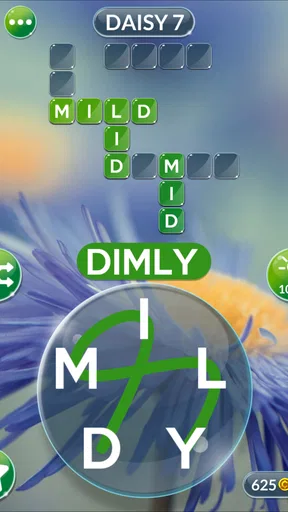
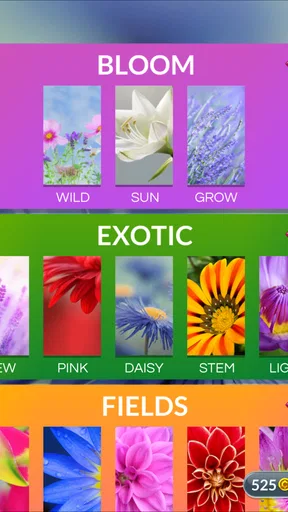
 Analysis by AppCompare
If you’re someone who loves to unwind with a good word puzzle, then Wordscapes In Bloom might just be the perfect app for you. Imagine basking in a garden of blooms while challenging your brain with some nifty anagrams. Sounds like a dream, right? Well, I took the plunge and downloaded it to see if this app truly lives up to its promise of a relaxing yet stimulating experience.
A puzzle that fits shared downtime
I can see this word game working well in a household where people take turns with the same device, especially during a quiet stretch at home. One person can tackle a few letter combinations, then leave the puzzle for someone else to try. That makes it an easy option for casual, side-by-side play, though it is not the same as a dedicated multiplayer game: the pleasure is in solving at your own pace, not racing or coordinating moves together.
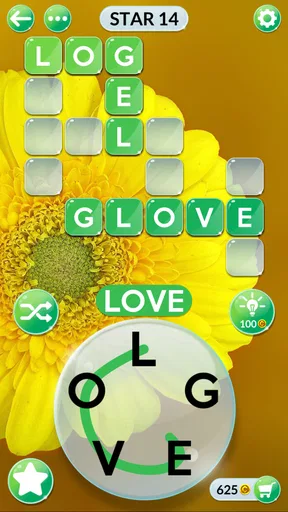
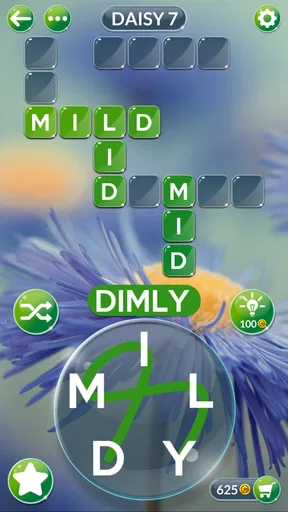
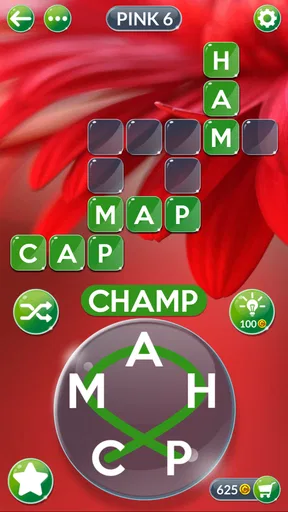
A practical way to share it is to agree that each person gets a short turn and leaves the current puzzle as they found it. The letter wheel gives the next player a clear starting point, while the crossword grid shows what has already been filled. This can turn a waiting moment into a small group challenge without requiring anyone to learn complicated rules. It is less suitable if everyone wants a separate, clearly divided progress history on one device; shared use can blur who solved what.
Keep device and account expectations simple
Before handing over a phone or tablet, I would treat this as ordinary shared-device use rather than assume the game separates household players into individual profiles. Keep the device’s usual privacy and account boundaries in mind, and decide whether other people should be able to continue the same puzzle. That small conversation avoids confusion later, particularly if one player likes to take their time and another is eager to fill in words.
It also helps to set expectations about hints. If someone uses a hint while sharing a puzzle, the group may not get the same satisfaction from working it out together. I’d agree on a simple house rule—either hints are fair game whenever a player gets stuck, or the group tries a few different letter combinations first. Neither approach is better; the right choice depends on whether the goal is a relaxed pastime or a cooperative word challenge.
Making turns feel fair
For a brief shared session, I’d pass the device after a natural stopping point rather than midway through a train of thought. A player can complete a word or spend a few minutes exploring the wheel, then hand it over with the unfinished possibilities still visible. This avoids turning a calm game into a contest over who gets the next move, and it gives younger or less experienced players room to contribute without being rushed.
There is a trade-off: a puzzle that is satisfying for one person may be less enjoyable when several people call out answers at once. If the group is large, it may work better for one person to hold the device while everyone suggests words, instead of passing it around constantly. For a couple of players with different vocabulary levels, taking turns can be more comfortable because each person gets time to think without feeling tested.
Worth Reading Before You Choose

EA SPORTS FC Mobile 26 Is a Bigger Football Game, but It Takes Time

Flipboard Shows What News Apps Must Do Beyond the Feed

Switching to Android Auto Means Rethinking Your Driving Routine

Google Calendar Makes a Crowded Week Easier to Manage

Ludo King Makes the Most of the Minutes Between Plans

Baby Panda World Brings Quick Play to Modern Phones, but Its Game Library Feels Busy
Age, trust, and the right expectations
The game is rated for Everyone, so its word-puzzle format is suitable for a broad age range. I’d still treat that as an age suitability label, not as a substitute for a parent’s judgment about a child’s screen habits or access to purchases. The game is free to download, while optional in-app purchases range from $0.99 to $49.99 per item, so it is sensible for a household to agree on purchase expectations before a child plays on a shared device.
For younger players, the useful part is that the basic task is easy to explain: use the letters to make words that fit the grid. A child can enjoy spotting familiar words, while an adult can help discuss unfamiliar ones. I would keep that help conversational rather than turn every round into a vocabulary lesson; the relaxing pace is part of the appeal. If a child becomes frustrated by a difficult combination, taking a break is likely better than pressing on just to finish.
First Impressions and Interface
From the moment I opened Wordscapes In Bloom, I was greeted by a vibrant splash of colors that immediately transported me to a serene garden. The interface is super intuitive, which is always a plus. You don't have to be a tech wizard to find your way around, and that's something I really appreciate.
The main screen presents you with a simple layout: a stunning backdrop of colorful flowers and the letter wheel at the bottom that you’ll use to form words. It's designed to be easy on the eyes, and trust me, it is. You can practically feel the stress melting away as you dive into your first puzzle.
The Gameplay Experience
Gameplay in Wordscapes In Bloom is straightforward yet surprisingly addictive. You start with a series of letters and the aim is to form as many words as possible to fill in the crossword puzzle above. The more words you find, the more flowers you get to bloom in your garden. If you’re anything like me, you’ll find it hard to stop once you’ve started.
Each level is progressively more challenging, keeping you on your toes. But don’t worry, if you ever get stuck, there are hints available to help you out. It’s a nice balance of challenge and support, which keeps the frustration at bay.
Visuals and Sound
One of the standout features of this app is its stunning visuals. The colors are vivid and the animations smooth, making it a feast for the eyes. Watching your garden grow as you solve puzzles is oddly satisfying and adds a rewarding visual element to the gameplay.
The background music complements the visuals perfectly. It’s calming and gentle, like a whisper of the wind through the flowers. It sets the perfect mood for a relaxing brain workout.
Why You’ll Love It
What really sets Wordscapes In Bloom apart is its ability to be both relaxing and mentally engaging. It’s perfect for those moments when you need a break from reality but still want to keep your mind sharp. Plus, the sense of progression as you unlock new levels and watch your garden flourish gives you a satisfying sense of achievement.
Not to mention, it’s a great way to expand your vocabulary. I’ve found myself learning new words with each level, which is a bonus if you’re a word nerd like me.
Where it fits among word games
Compared with a word-search game, where you scan a fixed grid for words, this one asks you to rearrange a small set of letters and fit answers into a crossword layout. That gives each puzzle a more deliberate, try-and-check rhythm. It also differs from competitive word games that reward speed or head-to-head play: here, I can pause to think, which suits a commute, a quiet break, or a few minutes before bed much better than a timed match.
If you want open-ended word discovery, a puzzle with a clear goal and visible slots may feel restrictive. Some players will enjoy testing every combination; others may find it repetitive once they understand the loop. My tip is to look at the grid before repeatedly spinning through the same letter order. The pattern of blank spaces can narrow down what kind of word will fit, and trying a different starting letter can help when one combination seems stuck.
Hints are useful as a nudge, but I would save them for a genuine dead end rather than spend one as soon as a word does not come to mind. First try saying the letters aloud, then work through possible beginnings and endings. That little routine keeps the puzzle satisfying and makes hints feel like assistance rather than the main way forward. It is also a good option when sharing: players can offer candidate words before anyone asks for help.
Everyday play, without overcommitting
A realistic use for me is opening a puzzle while waiting for food to heat or sitting through a short pause between errands. I can focus on one grid, make progress, and put the device down when the moment is over. The clear visual layout makes it easy to return to the task, although I would not pick it when I have only a few seconds and need an immediate stopping point; an engrossing puzzle can tempt me to keep searching for one more word.
It is a better fit for someone who enjoys calm repetition than for someone seeking a broad story, changing mechanics, or social competition. The garden presentation gives the word activity a pleasant atmosphere, but the core pleasure remains finding answers. If anagrams are not your thing, attractive flowers will not transform the basic task into a different kind of game. Likewise, players who want to learn vocabulary through explanations should treat discoveries as prompts to look up or discuss a word, rather than expect every answer to become a lesson.
What to expect before installing
PeopleFun is the developer, and the game has a 4.7 average from around 67,000 ratings, with more than a million installs. Those figures suggest it has found a substantial audience, but they do not tell me whether its relaxed pace will suit you. It is a free word game, with optional purchases, so I’d try the basic experience first and decide whether the repeated puzzle loop is enjoyable before spending anything. The listed current version is 1.8.0, and it requires Android 6.0 or later.
One point worth considering is that hints can reduce the satisfaction of solving a grid unaided, while refusing them entirely can make a tough level feel like a stall. I’d use them selectively, especially if I’m playing with someone else and want to keep the session moving. The game is most rewarding when the small challenge is welcome; if you are already tired of anagram puzzles, there is no need to force yourself through a level just because the garden imagery is inviting.
Final Thoughts
In conclusion, Wordscapes In Bloom is a delightful app that combines the beauty of nature with the joy of word puzzles. Whether you’re a seasoned wordsmith or just looking for a fun way to pass the time, this app offers something for everyone. The soothing visuals, coupled with the engaging gameplay, make it a must-have for any puzzle enthusiast.
If you’re ready to let your mind wander through a garden of words, give Wordscapes In Bloom a try. Trust me, it’s a blooming good time!
For a household, I’d recommend it most when people are happy to share one relaxed puzzle and take turns without keeping score. It is not the right choice for families who need distinct player progress, a competitive group activity, or a game built around teaching words step by step. But as a low-pressure way to fill a quiet pause, with clear rules and an easy-to-read board, it makes a pleasant shared option. I’d start with a short session, agree on how to handle hints and purchases, and see whether everyone enjoys the same unhurried rhythm.
Pros
- Beautifully designed floral themes.
- Challenging puzzles enhance vocabulary.
- Offline play available for convenience.
- Regular updates with new levels.
- Relaxing music enhances gameplay.
Cons
- Contains ads that can interrupt play.
- Requires in-app purchases for hints.
- Limited daily rewards for free users.
- Higher levels can become repetitive.
- May drain battery quickly on older devices.
FAQs for Wordscapes In Bloom
What is the main objective of Wordscapes In Bloom?
Wordscapes In Bloom is a relaxing and engaging word puzzle game where players aim to form words from a set of given letters. The main objective is to fill the crossword-style grid with the correct words, progressing through beautifully themed floral levels that increase in complexity.
Is Wordscapes In Bloom free to play?
Yes, Wordscapes In Bloom is free to download and play. However, it offers in-app purchases for hints and to remove ads. While the game can be enjoyed without spending money, purchasing these extras can enhance the experience by providing additional help or an ad-free environment.
Are there any ads in Wordscapes In Bloom?
Yes, the free version of Wordscapes In Bloom includes ads that appear between levels or when using hints. Players who prefer an uninterrupted gaming experience can opt for in-app purchases to remove ads, allowing for a smoother and more focused puzzle-solving session.
Can Wordscapes In Bloom be played offline?
Wordscapes In Bloom can be played offline, making it a perfect choice for on-the-go entertainment. Players can enjoy solving puzzles without the need for an internet connection, although some features, like purchasing hints or syncing progress, may require connectivity.
How does Wordscapes In Bloom differ from the original Wordscapes?
Wordscapes In Bloom offers a similar word puzzle experience to the original Wordscapes but is themed around beautiful floral backgrounds and environments. While both games focus on forming words to complete puzzles, In Bloom presents a refreshing visual twist with its nature-inspired design and aesthetic.


